


Address:South of 18th Floor, New Oriental International Technology Center, 567 Jiangling Road, Binjiang District, Hangzhou City
Core Technology
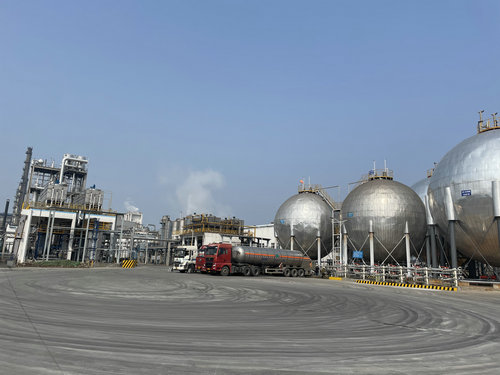
CO₂ Production Technology—Double Column Distillation Process
2023-10-10
Carbon capture and utilization projects involve the collection, refining, and purification of low-, medium-, and high-concentration CO₂ from various industrial exhaust gases to achieve high purity (meeting industrial, food-grade, and electronic-grade standards). Distillation is an essential process for obtaining high-purity CO₂. For CO₂, impurities include light components with boiling points lower than CO₂, such as H₂, N₂, O₂, CO, and CH₄. Heavy components with boiling points higher than CO₂ include alcohols, aldehydes, heavy hydrocarbons, benzene, and vinyl chloride. Existing technologies primarily use physical adsorption with adsorbents to remove heavy components, followed by distillation to remove light component impurities. The removal of heavy components requires a large amount of adsorbent. Furthermore, due to the variety of impurities involved, this approach suffers from drawbacks such as the need for numerous types of adsorbents, a large volume of solid waste to be treated, and high costs.
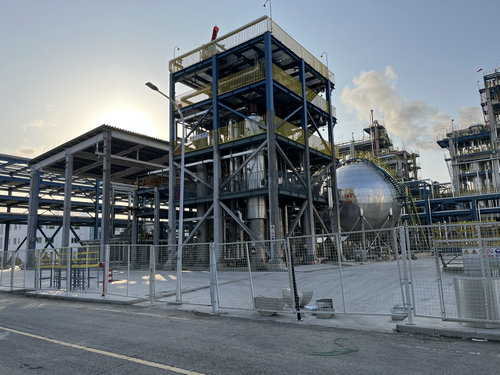
Process Characteristics of the Recovery of High-Purity Food-Grade CO₂ from EO/EG Unit Vent Gas
2023-10-08
Currently, the CO₂ vent gas generated by EO/EG units both domestically and internationally has a high carbon dioxide concentration, typically around 98% (dry basis). The gas contains no sulfur, but other impurities primarily consist of ethylene, ethylene oxide, and other hydrocarbons with carbon numbers greater than C₂. Since the boiling points of these impurities are similar to that of carbon dioxide and their molecular sizes are also comparable to CO₂, these hydrocarbons cannot be effectively removed through distillation, multi-stage distillation, or adsorption methods.
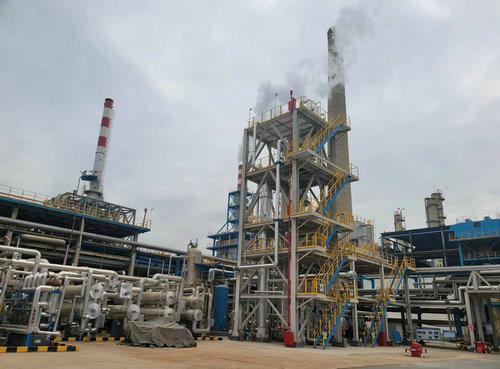
Technologies for the Recovery and Reuse of CO₂ from the Hydrogen Production Industries Using Methanol and Natural Gas
2023-10-08
Currently, the global hydrogen energy industry is experiencing rapid growth, with China being the world’s largest producer of hydrogen. In 2020, China’s hydrogen demand was approximately 33.42 million metric tons; this figure is projected to rise to 37.15 million metric tons by 2030, accounting for about 5% of final energy consumption. As the goals of carbon peaking and carbon neutrality draw nearer, the importance of hydrogen as a clean energy source is becoming increasingly evident. Aside from hydrogen production via water electrolysis, methods such as coal-based hydrogen production, coke oven gas-based hydrogen production, and hydrogen production via the cracking of natural gas (light oil) and methanol invariably generate large amounts of carbon dioxide tail gas during the hydrogen production process. If directly released into the atmosphere, this not only causes severe environmental pollution but also wastes valuable carbon resources. In response to this situation, our company has specifically developed proprietary new processes and technologies for the recovery and reuse of carbon dioxide tail gas from natural gas and methanol cracking for hydrogen production, thereby realizing a circular economy and turning waste into valuable resources.
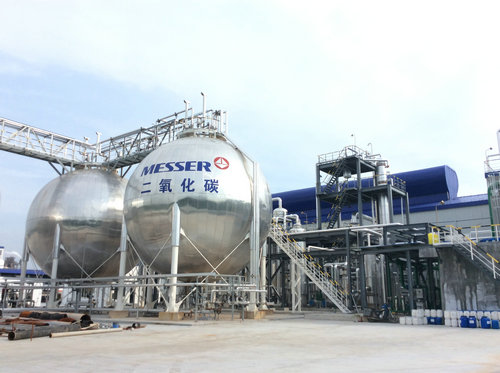
Food-Grade CO₂ Production Technology Meeting International Quality Standards
2023-09-06
Our company’s food-grade carbon dioxide production technology, which complies with international quality standards, holds more than 30 national patents. It has been designated twice by the Ministry of Science and Technology as a key project under the National Technology Innovation Fund, and its core equipment has been listed as a designated product by the China Petroleum and Chemical Engineering Design Association. The technology has passed provincial-level appraisal, with the conclusion that it is “domestically leading and internationally advanced.”
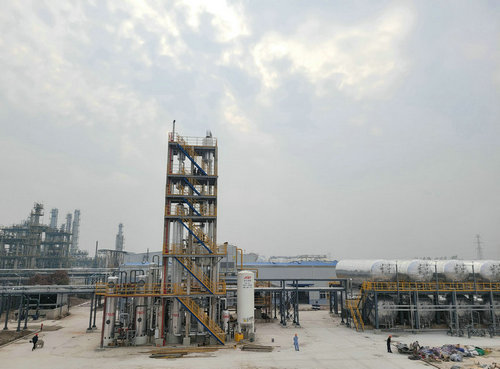
Catalytic Oxidation Hydrocarbon Removal and Purification System
2022-04-12
The principle of catalytic oxidation purification is as follows: under the action of an active catalyst (a precious metal catalyst) and at a specific temperature, combustible components in CO₂ gas—such as hydrocarbons, CH₃OH, H₂, and CO—react with oxygen to form CO₂ and H₂O. The purification level reaches the ppb range, ensuring that product specifications fully comply with the standards of the International Society of Beverage Technology (ISBT), the Chinese National Food Safety Standard “Food Additives—Carbon Dioxide” (GB 1886.228-2016), as well as the standards of “Coca-Cola” and “Pepsi-Cola.”
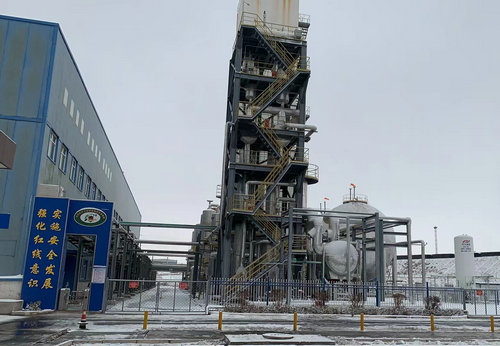
Multi-stage liquefaction distillation system
2022-04-12
The process employs a two-stage liquefaction and single- or multi-stage purification process. The two-stage liquefaction utilizes the operational characteristics of the refrigeration unit to operate under two distinct operating conditions, thereby fully leveraging the compressor’s efficiency and reducing the refrigeration unit’s power consumption. Compared to traditional liquefaction processes, refrigeration power consumption can be reduced by 25%, while simultaneously improving the CO₂ liquefaction rate—that is, increasing product yield and output—with a product yield of over 92%.
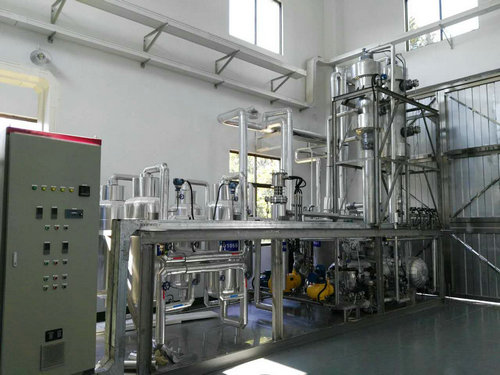
Ultra-High-Purity (Electronic-Grade) CO₂ Technology
2019-12-19
Since the 1990s, with the rapid development of high-tech industries in China, high-tech fields such as integrated circuits (ICs), light-emitting diodes (LEDs), solar cells, and optical fibers have experienced rapid growth. Against this backdrop, ultra-high-purity (electronics-grade) carbon dioxide offers vast application potential. It is primarily used in high-tech fields such as lasers, the electronics industry, reactor gas coolants, critical extraction in medicine, and scientific research. In the production processes of high-tech products, ultra-high-purity (electronics-grade) carbon dioxide gas plays a crucial role in determining the final product quality, and its quality control standards are extremely stringent. Currently, products with a purity of ≥99.995% are referred to as high-purity CO₂ products in the domestic market. However, these products contain relatively high levels of impurities such as moisture and oxygen, resulting in a significant gap compared to high-purity CO₂ products from abroad. Consequently, the application of domestic high-purity carbon dioxide in high-end technology fields is significantly limited.
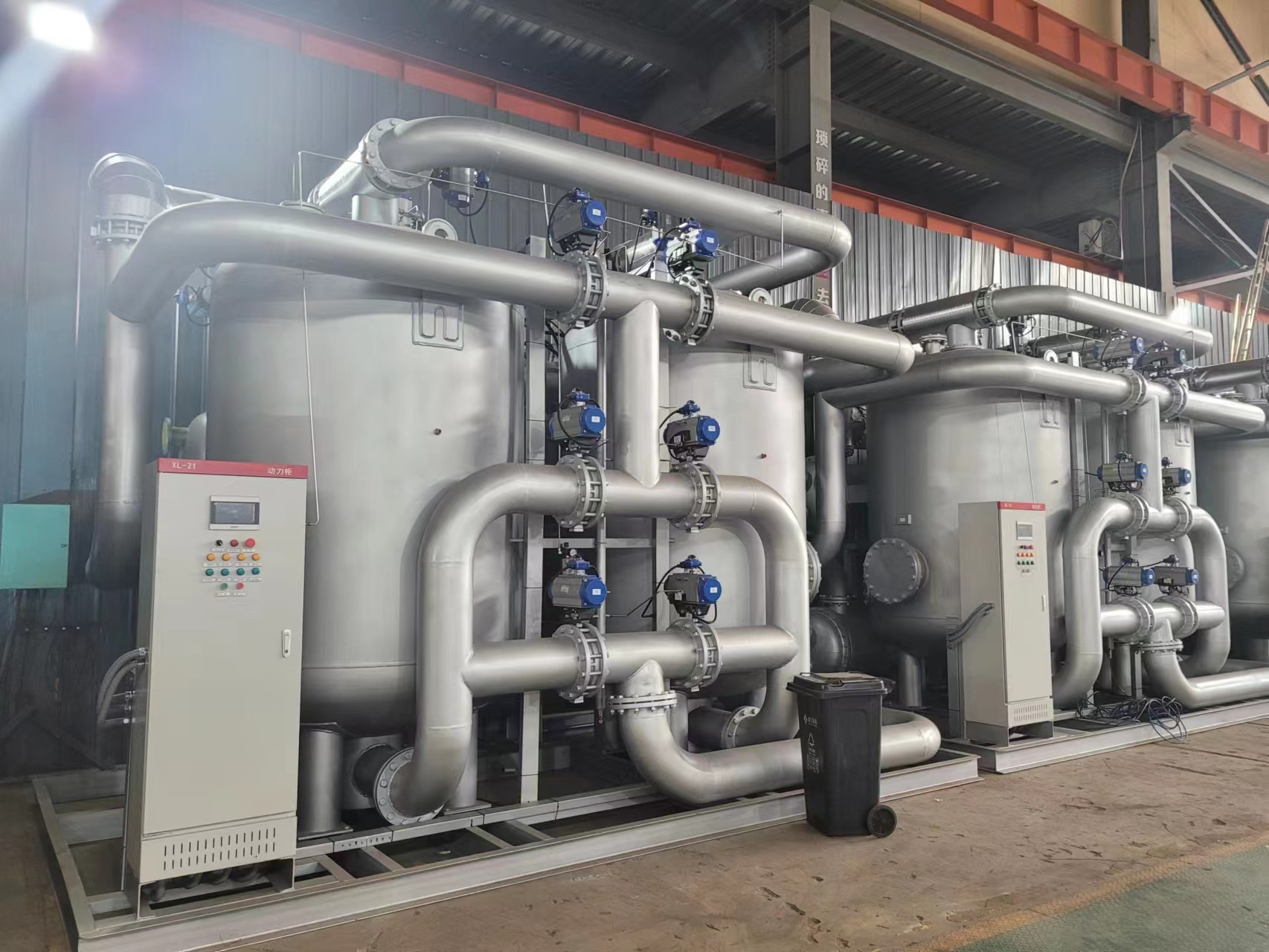
Adsorption drying
2022-04-12
The installation of an adsorption dehydration unit, which utilizes multifunctional molecular sieve adsorbents for dehydration, facilitates further purification of the CO₂ gas. The adsorbent regeneration process employs an environmentally friendly, fully enclosed recycling regeneration process that directly utilizes the thermal energy from catalytic hydrocarbon removal. This method features low energy consumption and produces no exhaust emissions, ensuring a stable CO₂ recovery rate for the unit. The regenerated gas discharged consists solely of humid air and a small amount of CO₂, fully complying with the emission requirements of the “Petrochemical Industry Pollutant Emission Standard GB 31571-2015.”
Next-Generation CO₂ Chemical Absorption Technology for Carbon Capture and Purification
2019-12-19
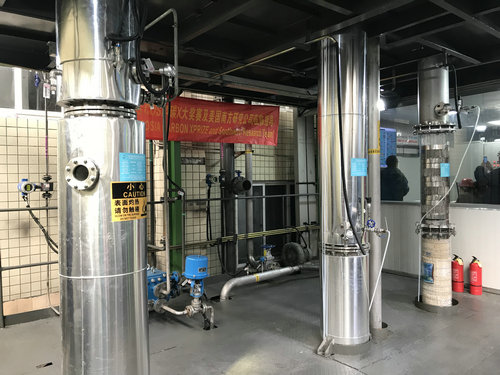
The company is collaborating with Zhejiang University to develop a new generation of chemical absorption technology for CO₂ capture and purification. This technology utilizes a newly developed biphasic absorbent to capture and purify low-concentration CO₂ gas, such as exhaust gases emitted from power plant boilers, steel smelting processes, lime kilns, and cement plants. This project provides a solid technical foundation for the widespread promotion of international Carbon Capture, Utilization, and Storage (CCUS) initiatives. A pilot-scale facility has been established, utilizing the new absorbent, which offers advantages such as high absorption efficiency, low steam consumption, and reduced capital investment.
CO₂ Recovery Technology for Low-Concentration CO₂ Emissions from Coal-Fired (or Gas-Fired) Power Plants, Steel Mills, Cement Plants, and Lime Kilns
2023-07-14
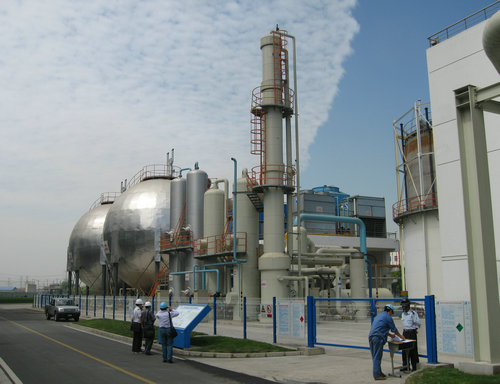
Coal- and gas-fired power plants in the power generation sector, steel mills in the steel industry, cement plants and lime kilns in the building materials sector, and the shipping industry are all major sources of carbon dioxide emissions. A common characteristic of the exhaust gases from these facilities is their low CO₂ concentration (8–30%), but they all generate large volumes of exhaust gas. How to control and reduce carbon emissions has become a major constraint on the development of these industries and an urgent issue that needs to be addressed. Coal- and natural gas-fired power plants in the power generation sector, steel mills in the steel industry, cement plants and lime kilns in the building materials sector, and ship engines in the shipping industry are all actively seeking low-energy-consumption, high-efficiency emission reduction solutions.
Technology for Producing Food-Grade CO₂ via Fuel Combustion
2019-12-19
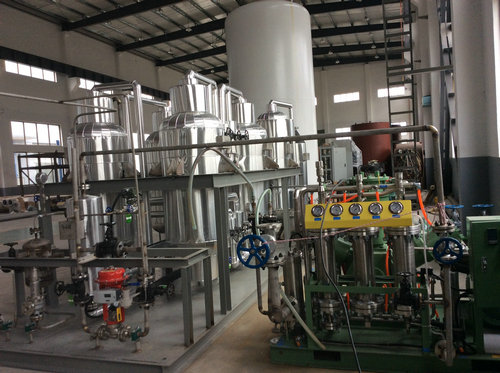
Currently, many beverage manufacturers overseas face a severe shortage of CO₂ for beverage production, and securing a reliable supply of raw materials remains a challenge. Our company utilizes carbon-containing feedstocks such as natural gas and diesel to produce CO₂ feedstock gas through combustion. We then employ our proprietary low-partial-pressure absorption process, followed by desorption and purification, to produce food-grade CO₂ products that meet the standards of the International Soft Drink Technology Association (ISBT), Coca-Cola, and PepsiCo. We provide customers with gaseous or liquid CO₂ at a rate of over 50 kg/h. Liquid CO₂ is convenient for storage and export, and we customize the final product form according to customer requirements.
Coil-type High-Efficiency Heat Exchanger
2020-03-10
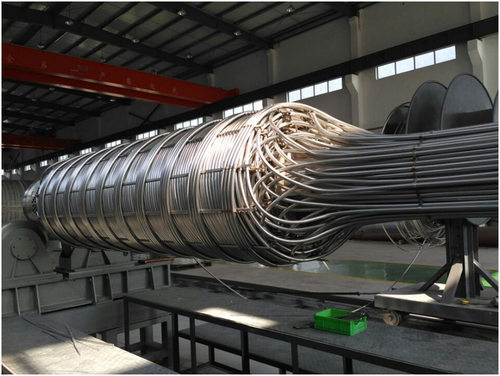
Spiral-wound heat exchangers offer unparalleled advantages over conventional shell-and-tube heat exchangers, including a wide operating temperature range, resistance to thermal shock, self-relief of thermal stress, and a highly compact design. Their unique construction allows for the full development of the flow field, and there are no flow dead zones. Notably, by configuring multiple tube-side streams (with a single shell-side stream), a single unit can facilitate simultaneous heat exchange for multiple fluid streams.
Dry Ice Project: Dry Ice Production and Dry Ice Vapor Recovery
2019-12-19
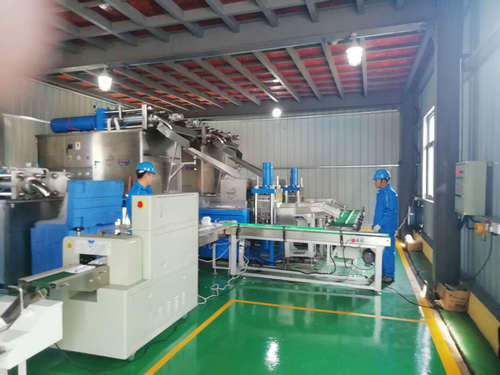
The company provides comprehensive solutions for food-grade dry ice production. Our dry ice products feature high purity, excellent quality, and meet food-grade standards. We can customize dry ice products in various specifications—including pellets, columns, bricks, and blocks—to meet customer needs. Using our proprietary technology and equipment, dry ice production is cost-effective and highly automated. The gas generated during dry ice production can also be recycled. Through technical processes such as recovery, liquefaction, and separation of the low-temperature CO₂ gas emitted during production, we obtain food-grade liquid CO₂. For every ton of dry ice produced, 1.2 tons of liquid CO₂ can be recovered, reducing the specific consumption of liquid CO₂ in the dry ice manufacturing process and significantly lowering production costs.
Research and Development of CO₂ Compression and Purification Technology for Oxy-fuel Combustion and Carbon Capture in Coal-Fired Power Plants
2019-12-19
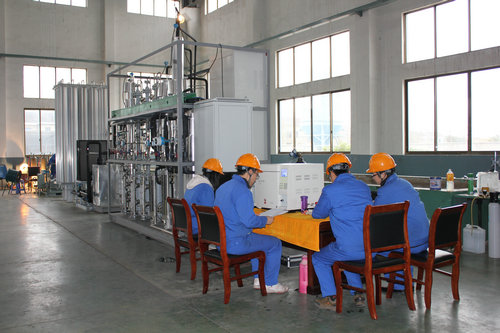
The company possesses proprietary intellectual property rights for a new, highly efficient CO₂ compression and purification technology adapted to the flue gas conditions of oxygen-enriched combustion. As part of the China Shenhua Group’s major scientific and technological innovation project, “R&D and System Integration of Million-Ton-Scale Carbon Capture Technology for Oxygen-Enriched Combustion Coal-Fired Power Plants,” our company is responsible for the sub-project titled “R&D of Key Technologies for CO₂ Compression and Purification in a 200 MW Oxygen-Enriched Combustion Carbon Capture Coal-Fired Power Plant.” This technology compresses and purifies CO₂ from flue gas into liquid CO₂ that meets the requirements for storage or industrial use, while simultaneously removing pollutants such as SO₂, NOₓ, and H₉ from the flue gas. Leveraging its proprietary technical capabilities, the company has established a technological foundation for CO₂ emission reduction through oxy-fuel combustion, providing technical assurance in core processes, system integration, and operational control for the design and construction of 200MW-class oxy-fuel combustion carbon capture demonstration projects.
Research and Development of Low-Carbon Mixed Alcohol Synthesis Technology
2019-12-19
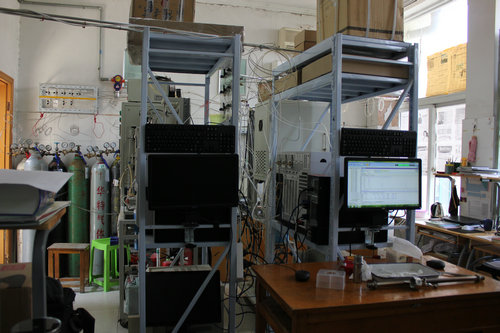
In terms of energy reserves, China is rich in coal but poor in oil, making the efficient utilization of coal resources crucial for ensuring the country’s energy supply. Converting coal into syngas (a mixture of CO and H₂) and then synthesizing alcohol fuels through catalytic processes is a technical approach for effectively utilizing low-grade coal. The low-carbon alcohols produced contain neither aromatic compounds nor sulfur, and can be used as clean liquid fuels and basic chemical feedstocks, offering broad application prospects.
Waste Gas Treatment Technologies for Volatile Organic Compounds (VOCs)
2019-12-19
Organic solvents are widely used in industries such as fine organic synthesis, coating and printing, and petrochemicals. These solvents typically have low boiling points and are highly volatile (known as VOCs, or volatile organic compounds). Production facilities inevitably emit VOC-containing exhaust gases, leading to environmental pollution. Due to the complex composition and wide concentration fluctuations of VOCs in these exhaust gases, treating them presents significant challenges. Furthermore, since VOCs are flammable and explosive, both high and low concentrations can lead to safety hazards such as explosions during gas mixing and combustion.
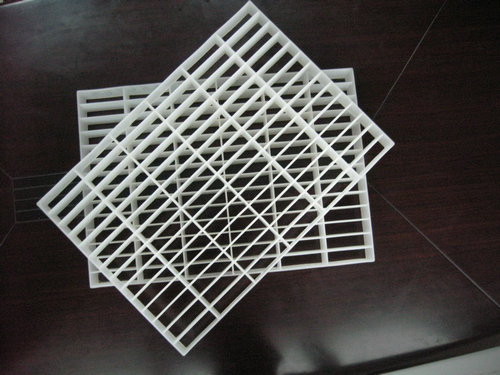
New High-Efficiency Packing Material
2019-12-19
Packing is widely used in industries such as synthetic ammonia production, coal chemical processing, and water treatment for processes including hydrogen sulfide removal from gases, dust removal, and cooling.
Contact Us
Address:South of 18th Floor, New Oriental International Technology Center, 567 Jiangling Road, Binjiang District, Hangzhou City

Phone:+86-571-87177512 87177550 87177513

Email:hangzhoukuaikai@vip.163.com

Fax:0571-87177570
Quick Navigation

Browse the mobile website